Your cart is currently empty!
Hydrangea Alchemy: How Soil Science Repaints Gardens Season After Season
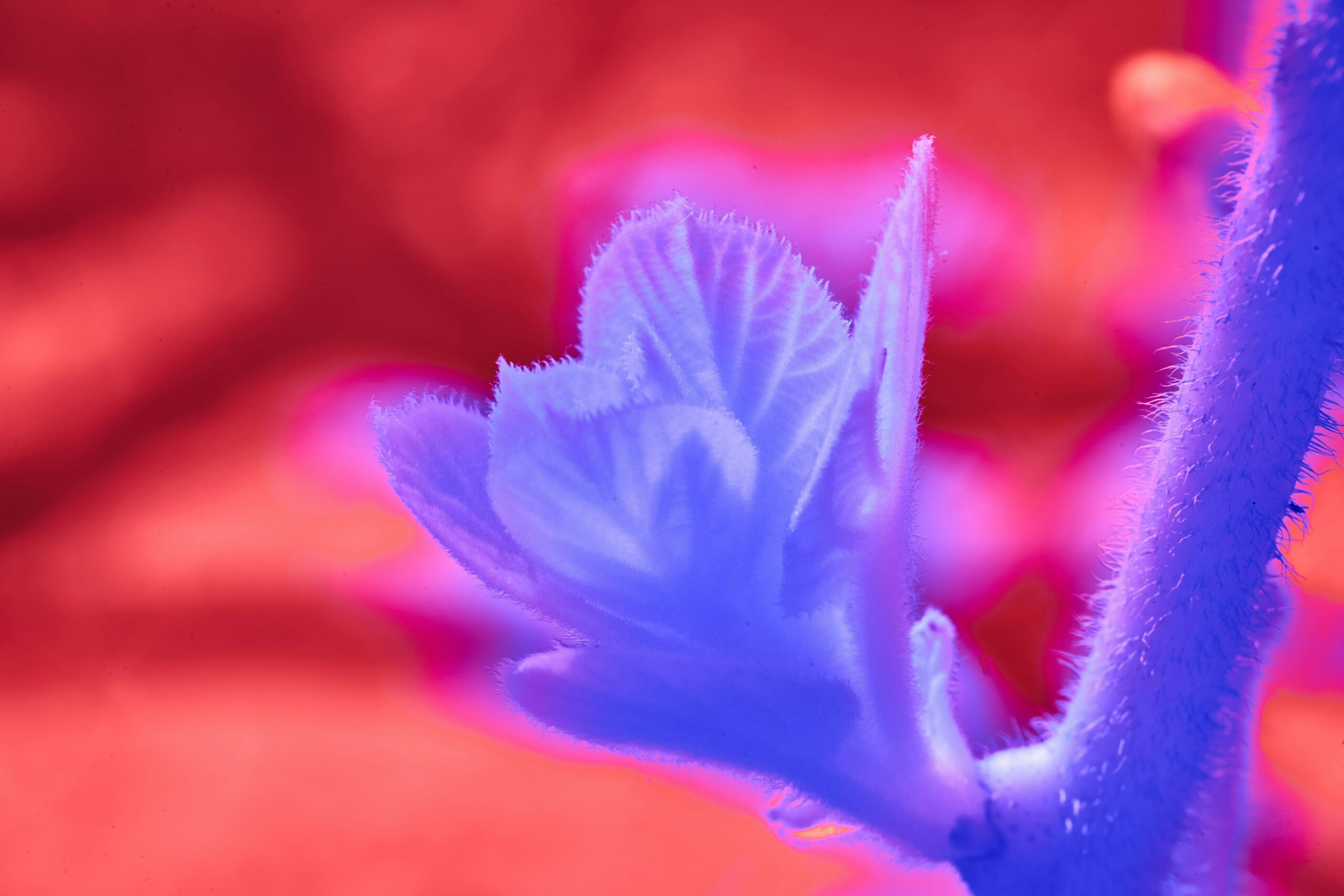
BOSTON, MA—Few shrubs possess the transformative power of the hydrangea, a quintessential garden fixture now recognized by horticulturists and designers not merely for its voluminous blossoms, but for its unparalleled ability to function as a living canvas. These plants exhibit a vast color spectrum—from sky blue to vivid magenta, and from crisp white to deep burgundy—with hues that shift dramatically based on environmental factors, particularly soil chemistry, seasonality, and age. This constant evolution provides a dynamic display, allowing a single shrub to dictate the mood and temporal rhythm of an entire landscape, underscoring the subtle artistry behind one of gardening’s most coveted flowering plants.
The Science Behind Shifting Shades
The famous color mechanism of the Hydrangea macrophylla (mophead and lacecap varieties) is scientifically tied to the acidity level (pH) of the soil and the plant’s access to aluminum. This interplay is crucial for generating the coveted blue tones.
When soil is acidic (low pH), aluminum is readily accessible to the plant, which then combines with the flower’s pigments to produce various shades of blue. Conversely, in alkaline soil (high pH), aluminum is bound up and unavailable; the same plant will produce pink and rosy hues. Soil pH neutrality often results in the unpredictable but beautiful lavender and purple shades, existing in a transitional space between blue and pink.
Beyond chemical balances, temperature, light exposure, and the flower’s maturity contribute to pigment intensity. Cooler weather, for example, often saturates blues and purples, while the deepening hues of autumn are largely a result of the flowers aging rather than pure soil chemistry manipulation.
Mastering the Color Palette
Designers increasingly leverage the hydrangea’s versatile palette to achieve specific atmospheric effects:
- White Hydrangeas: The Harmonizers
White varieties, such as Hydrangea arborescens ‘Annabelle’ and Hydrangea paniculata ‘Limelight’ (which starts green), are generally unaffected by pH. Their pure tones serve as anchor points in a garden, brightening shady areas and lending a sense of refined calm. These blooms transition gently, moving from bright white or pale green to warm ivory or blush pink as the season progresses. - Blue Hydrangeas: Atmospheric Depth
Coveted for their reflective, cool quality, deep blue hydrangeas suggest tranquility and often thrive in coastal or woodland settings. Achieving true blue requires consistent attention to soil acidification, often through regular applications of soil sulfur or aluminum sulfate. Their freshness contrasts well with warmer climates. - Pink and Magenta: Energy and Romance
Pink hydrangeas, ranging from soft shell-blush to electrifying magenta, infuse energy and nostalgia into garden borders. Alkaline soil conditions favor these warmer colors, suggesting a joyful, romantic mood ideal for cottage garden schemes.
The Enchantment of Autumnal Transformation
Perhaps the most sophisticated aspect of the hydrangea’s display is its late-season metamorphosis, offering unique textural interest well into the cooler months. As summer fades, the saturated colors of mid-season blooms soften into antique hues: dusty denim blues, muted cranberry reds, and deep russet.
These “antiquing” stages transform the papery blooms into valuable additions for dried arrangements and give the garden a richly textured, autumnal feel that few other flowering shrubs can sustain. Cultivars like H. paniculata exemplify this, moving from chartreuse to ivory, then finishing with deep pink or bronze tones before winter sets in.
By embracing the hydrangea’s inherent variability, gardeners can treat the shrub as an interactive element—a living storyteller whose color shifts reveal the seasonal narrative, demanding close observation and appreciation for the subtle, continuous artistry of nature.