Your cart is currently empty!
Botanists Brave Remote Peaks to Find World’s Elusive Wild Peonies
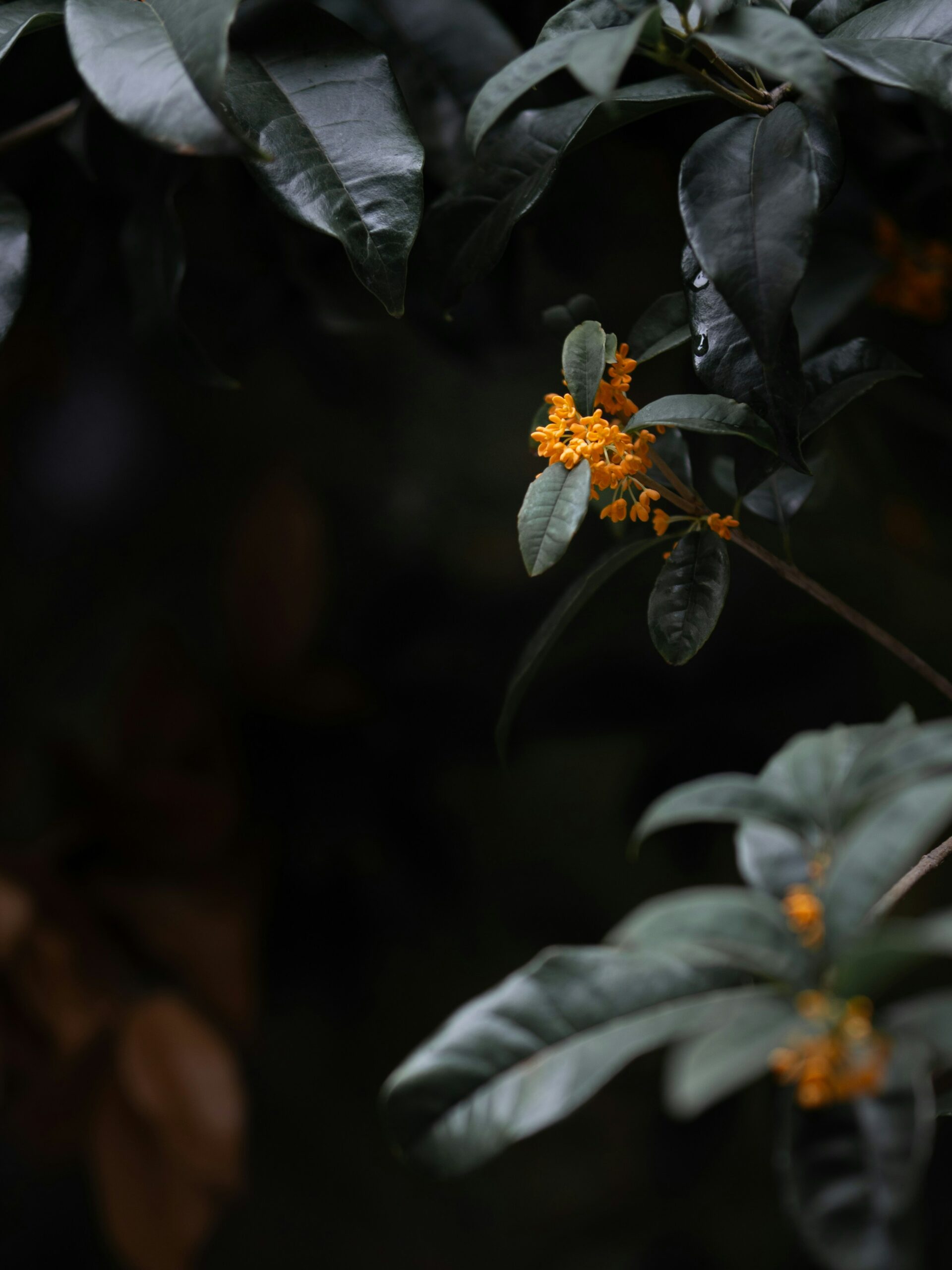
CHENGDU, CHINA — A dedicated community of botanists and adventurers is embarking on arduous global pilgrimages, traversing jagged peaks and remote steppes to witness the subtle, ancient beauty of the wild peony in its native habitat. Unlike their showy, cultivated garden cousins, these indigenous species, which originated thousands of years ago, offer unique insights into natural resilience, evolution, and biodiversity, driving enthusiasts to rugged terrains from the mountains of China to the steppes of Central Asia and the sun-drenched slopes of Spain.
The wild varieties of the genus Paeonia are distinguished by their earthy palette—creams, pale yellows, and soft pinks—and their capacity to thrive in hostile environments, surviving harsh climates and rocky soils. For serious flower advocates, encountering these uncultivated blooms represents a profound connection to the planet’s botanical heritage, demanding patience and respect for fragile ecosystems.
China: Cradle of Peony Diversity
China serves as the epicenter of peony evolution, housing both magnificent tree peonies (Paeonia moutan) and various herbaceous species. The country’s central mountain ranges are home to some of the rarest wild plants, often requiring significant trekking ability to access.
- Qinling and Daba Mountains: These ancient sentinel ranges in central China protect vast populations of Paeonia rockii. The flowers, commonly exhibiting delicate maroon speckling on white or muted purple petals, flourish on limestone slopes at altitudes up to 2,800 meters. The search for these blooms is considered a core element of China’s botanical tourism.
- Gansu and Mount Taibai: In the northwestern province of Gansu, the high-altitude misty ridges of Mount Taibai—the highest pinnacle of the Qinling range—are known sanctuaries for wild tree peonies, offering dramatic vistas for observers.
- Sichuan and Tibet: Further south, the rare Paeonia decomposita clings to the rocky cliffs of northwestern Sichuan. In the remote reaches of southeastern Tibet’s Tsangpo Valley, the elusive, pale pink Paeonia sterniana emerges above the alpine tundra, offering a testament to the genus’ ability to colonize extreme environments.
Hardiness in Central Asia and Europe
Wild peonies display remarkable adaptation across continents, from the vast plains of Central Asia to the Mediterranean basin.
In the Altai Mountains, spanning regions of Kazakhstan and Russia, Paeonia anomala grows freely among wild grasses and forests, thriving within a landscape that also attracts wildlife and adventure travelers. Similarly, the Tian Shan Mountains—straddling the borders of China, Kyrgyzstan, and Kazakhstan—host Paeonia intermedia. These hardy plants endure strong winds and rocky conditions in high-altitude meadows, underscoring the species’ survival instincts.
Europe’s wild peonies are fewer but equally captivating. The Sierra de Grazalema in southern Spain is a key location for Paeonia broteroi. This Western Iberian species produces vivid spring blooms, contrasting sharply with the dry, limestone terrain beneath pine and oak canopies.
The Wild Peony Pilgrimage: Timing and Preservation
Timing a visit is crucial, as the bloom season is highly dependent on climate and altitude. In China’s Qinling region, flowering typically occurs from late April into early June, with higher altitudes blooming later. Central Asian varieties usually appear between May and July, while the Mediterranean peonies of Spain flower from April to June.
Experts stress that these encounters are conditional upon respecting the ecological integrity of the habitats. Because many wild peonies are designated protected species, following conservation guidelines is paramount to their survival.
Tips for Wild Bloom Observers:
- Consult Local Expertise: Guides are essential for navigating rugged terrain and locating precise, often clandestine, bloom sites.
- Prioritize Safety: Sturdy footwear, layered clothing, and sun protection are necessary for mountain and alpine environments.
- Practice Leave-No-Trace: Peonies are fragile; observation and photography must take precedence over touching or picking the flowers. Patience is often rewarded in discovering these unpredictable wild marvels.
Wild peonies are increasingly recognized not just for their beauty, but as vital genetic resources informing the world’s vast array of cultivated varieties. By protecting these wild populations, conservationists aim to preserve the evolutionary history of the genus Paeonia for future generations, ensuring their quiet persistence across the globe’s diverse natural canvas.