Your cart is currently empty!
Europe Unifies in Gratitude: Mother’s Day Traditions Span Continental Divide
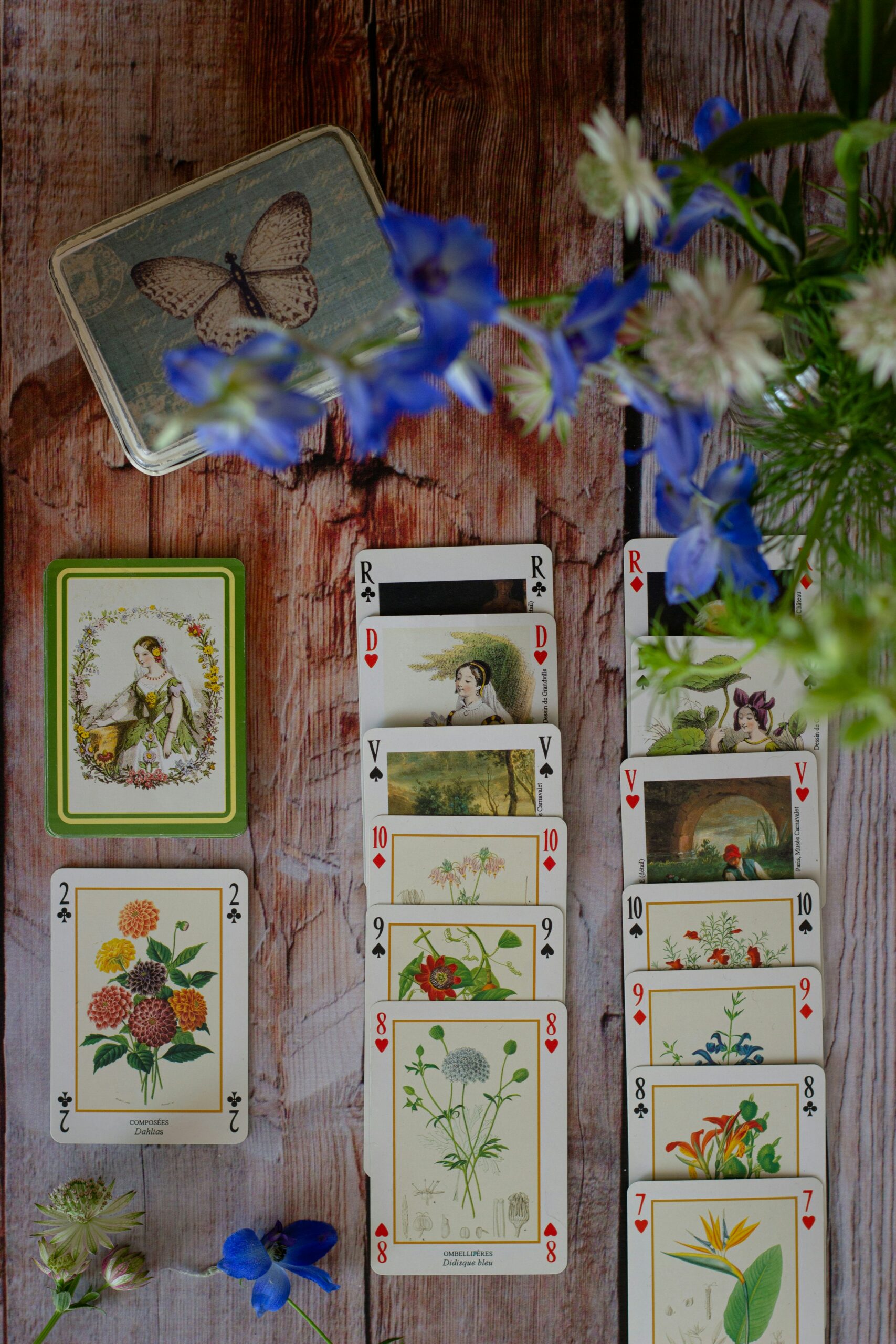
LONDON — Mother’s Day across Europe is celebrated not by a single standardized calendar date, but through a tapestry of diverse customs that universally emphasize familial devotion, deep gratitude, and the central role of motherhood in society. While the precise timing ranges from early May to late May—or, in the United Kingdom, aligns with the Lenten period—the core sentiment remains a day dedicated to honoring maternal bonds through flowers, intimate family gatherings, and personalized expressions of love.
This annual commemoration, unlike the romantic focus of Valentine’s Day, centers on respect and familial affection. Despite the continent’s vast cultural differences, a shared reverence for mothers drives the day’s traditions, from robust national observances to deeply personal rituals inside the home.
Diverse Dates, Shared Devotion
The most significant variation across Europe is the timing of the holiday. While nations like Germany, Italy, Greece, and the Netherlands observe Muttertag or Festa della Mamma on the second Sunday of May, consistent with the American tradition, others hold firm to distinct historical or religious timelines.
The United Kingdom, for instance, celebrates Mothering Sunday on the fourth Sunday of Lent, a tradition stemming from a historical practice where children returned to their “mother church.” This historical tie has largely secularized, yet flowers remain paramount, often favoring daffodils, lilies, and roses, alongside the preparation of elaborate Sunday roasts.
In contrast, France celebrates Fête des Mères on the last Sunday of May (sometimes shifting to early June), a date formalized in the early 20th century to recognize mothers’ societal contributions. French celebrations often include gourmet gifts, jewelry, and family meals, alongside the ubiquitous presentation of roses, carnations, and lilies.
Southern European countries like Spain, where Día de la Madre falls on the first Sunday of May, blend familial celebration with civic involvement. Schools and workplaces actively participate, emphasizing performances, poetry, and song recitals dedicated to mothers, sometimes incorporating religious observances before shared feasts.
The Universal Language of Flowers and Feasts
Despite the chronological and geographic variations, certain expressions of appreciation are consistent across Europe:
- Floral Gifts: Flowers are nearly always central. Red roses, tulips, carnations, and lilies dominate bouquets, symbolizing love, admiration, and purity.
- The Family Meal: Whether it is breakfast in bed delivered by children in Germany or a multi-course Sunday lunch in Italy, the sharing of food anchors the day’s intimacy.
- Personal Expression: The involvement of children is universally crucial. Schools and families across the continent prioritize the creation of handmade cards, crafts, poems, and personalized gifts, reinforcing the emotional significance of the day.
The Nordic countries, including Sweden and Norway, typically mark the day on the last Sunday of May, combining these intimate familial customs with public acknowledgment of maternal contributions, often featured in local media. Similarly, in Eastern Europe, countries like Poland (May 26th) reinforce the celebrations not only with gifts but also sometimes with community events and school ceremonies.
Ultimately, European Mother’s Day offers a lesson in cultural cohesion. The holiday successfully marries tradition with contemporary commerce, while firmly maintaining its original purpose: a heartfelt, culturally rich moment to pause and collectively acknowledge the profound importance of maternal figures throughout society. The mosaic of European approaches ensures that whether it is a quiet breakfast in Amsterdam or a large family gathering in Rome, the values of gratitude and respect prevail.